The Best Time of Year for Stargazing in Jaén
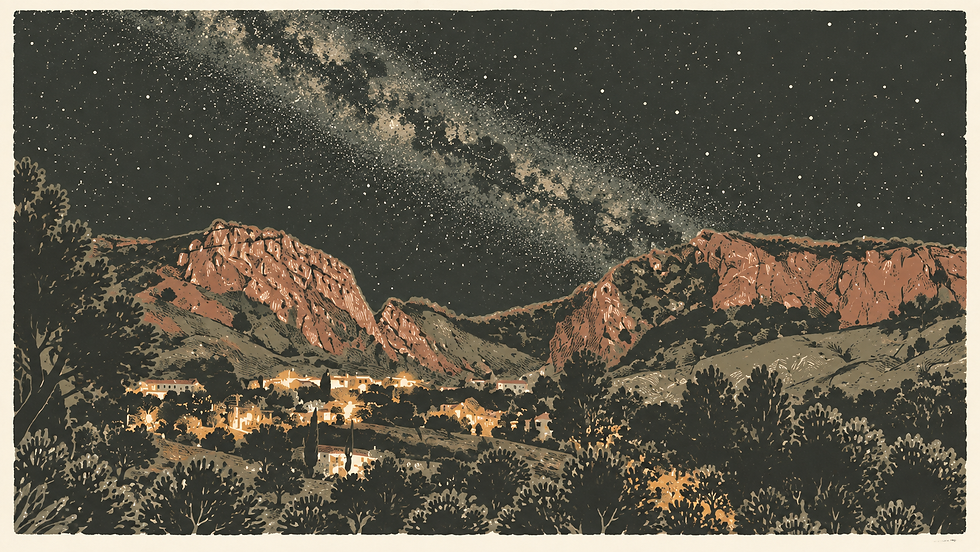
A day exploring rural Jaén does not have to end when the sun goes down. On a clear evening, spending time beneath the stars can become one of the most memorable parts of a countryside stay.
But when should you visit if stargazing is on your list?
For a first stargazing break, we suggest late spring or early autumn as a starting point, balancing daytime exploring with time outdoors after dark. Summer offers opportunities to look for the Milky Way and the Perseids, while winter brings longer nights and distinctive constellations.
The best choice depends on what you want to see. Just as importantly, check the Moon and the conditions for your dates: the month alone cannot guarantee a good night.
Jaén’s Astronomical Corridor and Our Connection to It
Casería 7 Fuentes is in Hinojares, within the Sierra de Cazorla area of the Corredor Astronómico de Jaén, or Jaén Astronomical Corridor. The initiative connects four areas recognised as Starlight Reserves: Sierra Sur de Jaén, Sierra Mágina, Sierra de Cazorla and Sierra de Segura. Together, they promote the protection of the night sky and the development of responsible astronomy tourism. Discover the astronomical corridor.
The Sierra de Cazorla received Starlight Reserve recognition in December 2024, placing the quality and conservation of its night sky among the region’s recognised natural assets. See the Starlight Foundation’s official reserve list.
For us, this has a personal connection. We have participated in the Corredor Astronómico de Jaén’s training programme, developing our knowledge of astronomy and its place in rural tourism.
That involvement is part of how we want to share the area with our guests: encouraging visitors to enjoy the landscape after sunset and appreciate why protecting dark skies matters.
Starlight recognition does not mean every night will be clear or every viewpoint equally dark. The season, Moon, weather and observing location still shape the experience—which is why planning your visit makes a difference.
Spring: Combine Walking Days with Evenings Outside
Spring is worth considering if you want stargazing to form part of a wider countryside holiday.
You can spend the day exploring villages or walking, then leave an evening free to become familiar with the sky. For a first attempt, keep the plan simple: choose a few recognisable star patterns rather than trying to identify everything at once.
As spring progresses, darkness arrives later. Plan your evening around the end of twilight rather than sunset alone, especially if you hope to see faint stars.
Bring an extra layer and give yourself flexibility over several nights. A countryside break is more relaxed when your whole astronomy plan does not depend on one evening.
Summer: The Milky Way and the Perseids
Summer is an appealing choice if you are happy to stay up later.
Under a sufficiently dark, clear sky, the Milky Way can appear as a pale band across the heavens. Its appearance to the eye is much subtler than the bright, colourful photographs you may have seen. Moonlight and nearby lighting can make it harder to distinguish. Read NASA’s summer Milky Way guidance.
Planning around the Perseids
The Perseid meteor shower usually peaks in mid-August, making it a familiar highlight of the summer sky. You do not need a telescope to watch it: an open view and some patience are more useful.
Check the forecast for the particular year before booking around the shower. A bright Moon can hide fainter meteors, and the most favourable viewing hours may be late at night or before dawn. Avoid planning around a promised number of shooting stars; what you actually see depends on the conditions. Learn about the Perseids.
For a summer stay, leave the following morning fairly relaxed if you plan to spend much of the night outside.
Autumn: Earlier Evenings for a Stargazing Break
Early autumn is another season we would consider for a holiday that combines walking, day trips and astronomy.
As the nights lengthen, you can begin observing earlier than in midsummer. That can make stargazing easier to fit around dinner or a family routine.
Choose an evening with clear skies and make your plans around the Moon’s position. There is no need to wait for a major astronomical event: learning a few constellations and noticing how the sky changes over the evening can be rewarding in itself.
If you are deciding between travel dates, compare the available hours of darkness and moonlight alongside the other things you want to do during your stay.
Winter: Longer Nights and Familiar Constellations
Winter offers longer nights and the chance to begin stargazing earlier in the evening.
Orion, Taurus, the Pleiades and Sirius are among the highlights of the northern winter sky. Orion’s distinctive belt makes a useful starting point for beginners learning to find their way among the stars. Explore NASA’s winter stargazing guide.
Comfort matters when you are standing or sitting still outdoors. Dress more warmly than you would for a daytime walk, including warm footwear, and start with a short session.
An early evening looking for Orion can be just as enjoyable as a much longer observing night. Choose a manageable plan that leaves everyone wanting to look again.
Check the Moon Before Choosing Your Dates
For seeing faint stars, the Milky Way or meteors, moonlight can make a substantial difference.
Nights around new moon are a useful starting point because the Moon contributes little light to the night sky. However, other dates can also offer dark observing windows if the Moon has already set or has not yet risen.
A full Moon changes the experience rather than making the evening worthless. It becomes an object to enjoy in its own right, although its brightness makes faint celestial objects harder to see. Read NASA’s explanation of moonlight and skywatching.
Before settling on a date, check:
The Moon’s phase.
Moonrise and moonset times for your location.
When full darkness begins.
The viewing time for any particular event or object.
Use information for Jaén or your actual observing location. Timings published for another country may not apply.
You Do Not Need a Telescope to Begin
Your first evening can be as simple as finding a comfortable place with a clear view and looking up.
Constellations, bright stars and some planets can be seen without equipment. Meteor watching is also best approached with a broad view of the sky rather than through a telescope.
Give your eyes time to adjust and avoid repeatedly looking at a bright phone screen. If you use a sky map, consult it briefly and then return your attention to the sky. Explore the Royal Observatory’s guide to astronomy without a telescope.
You do not need to learn dozens of names. Finding one constellation and recognising it again the following night is a good beginning.
Plan for the Conditions, Not Just the Season
Cloud, haze, bright lights and an obstructed view can all affect what you see. Check the local forecast close to your visit and keep your observing evening flexible.
Choose an established, accessible place and familiarise yourself with it before dark. In mountainous surroundings, the horizon may be partly hidden, which matters if your chosen object sits low in the sky.
For a holiday with stargazing as a priority, consider staying several nights. This gives you more opportunities to find a suitable evening, although clear skies can never be guaranteed.
Make Stargazing Part of Your Stay at Casería 7 Fuentes
At Casería 7 Fuentes, in Aldea de Cuenca near Hinojares, you can combine exploring the countryside with an interest in the night sky.
Spend your days discovering the area, then leave room in your plans for an evening outdoors when conditions allow. Our three-day Sierra de Cazorla itinerary offers ideas for the daytime part of your stay.
If you would like to include an organised astronomy activity, contact us before booking to discuss what may be available for your dates.


Comments